

We’ve all heard nutritionists promote health benefits of eating fruits and vegetables, often by comparing the benefits to produce colors. ‘Eat the rainbow’, ‘Taste a rainbow of fruits and vegetables’ are used to remind us about produce benefits. Even if you are on a kidney diet limiting your potassium, it’s still important to eat a variety and include allowed portions of lower potassium fruits and vegetables each day.
Beneficial phytochemicals such as carotenoids and flavonoids are present in colorful fruits and vegetables. These plant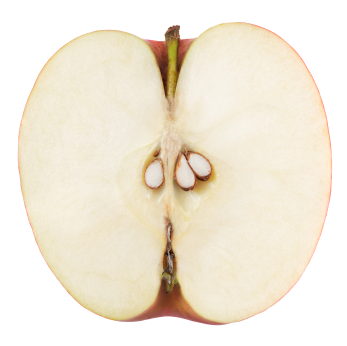 compounds act as antioxidants, may boost the immune system, may fight inflammation and may protect against cancer and cardiovascular disease.
But what about plain, white foods? A recent study in Stroke: Journal of the American Heart Association shows that plain white fruits and vegetables do provide health benefits.1 Dutch researchers studied consumption of different color fruits and vegetables over one year in over 20,000 people. Ten years later, follow-up study showed that those who ate more white-fleshed fruits and vegetables had a 52% lower risk of having a stroke compared to those who did not.
Linda M. Oude Griep, MSc, of Wageningen University in the Netherlands, says an apple a day “is an easy way to increase white fruits and vegetable intake,” but because other fruits and vegetable color groups also protect against chronic diseases, it’s important to eat a lot of different fruits and vegetables.
Foods in the white category include apples, bananas, cauliflower, chicory, and cucumbers. Garlic, ginger, jicama, mushrooms, onions, parsnips, pears, potatoes and turnips are also in the white-flesh produce group. Anthoxanthins are present in the white-colored pigments. Allicin, a compound that may help reduce blood pressure and cholesterol and lower the risk of cancer and heart disease are also present in the white-fleshed produce group.
For people following a low potassium kidney diet, be aware that bananas, parsnips and potatoes are high in potassium. So be mindful of portions and speak with your dietitian about how to incorporate higher potassium foods. Good news—the other white-fleshed fruits and vegetables are lower in potassium diet.
Try these white-fleshed fruit and vegetable recipes from the DaVita.com Kidney-friendly recipe collection.
References
- Oude Griep LM, Verschuren WM, Kromhout D, Ocké MC, Geleijnse JM. Colors of fruit and vegetables and 10-year incidence of stroke. Stroke. 2011 Nov;42(11):3190-5. https://pubmed.ncbi.nlm.nih.gov/21921279/
