

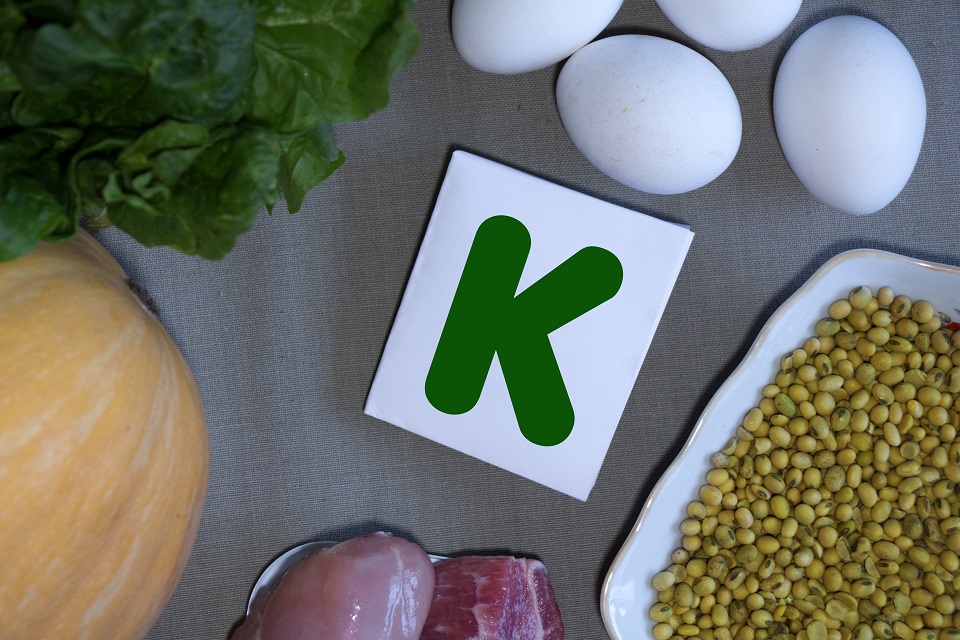
Patients who take certain blood thinning medications are told to limit foods high in vitamin K. In addition, kidney patients may be on a high or low potassium (K+) eating plan, it is patient specific and usually depends on how often they dialysize. This post helps explain the relationship between vitamin K and potassium.
Kale, spinach, broccoli, Brussels Sprouts and kiwi are significant sources of vitamin K and contain potassium. When taking Coumadin® (the brand name for warfarin), there are things to consider. The vitamin K in these foods can interfere with Coumadin’s® benefits. Read on.
Vitamin K vs. Potassium
Vitamin K is a fat soluble vitamin that is most well-known for the important role it plays in blood clotting. Vitamin K is also absolutely essential to build strong bones, prevent heart disease and it plays a crucial part in other bodily processes. But do not confuse it with potassium, the element that helps nerves and muscle communicate. The short chemical name for potassium is K+.
Blood Thinners and Vitamin K
Let’s go back to Coumadin®, (the brand name for warfarin) and vitamin K. Coumadin® is prescribed by doctors to help prevent harmful blood clots from forming. Coumadin® is an anticoagulant (blood thinner used to treat or prevent blood clots in veins and arteries, which can reduce the risk of stroke, heart attacks or other serious conditions. Coumadin® does not thin the blood, but rather causes the blood to take longer to clot by interfering with clotting factors such as vitamin K.
According to the National Institutes of Health Clinical Center Drug-Nutrient Interaction Task Force “to help Coumadin® work effectively, it is important to keep your vitamin K intake as consistent as possible. Sudden increases in vitamin K intake may decrease the effect of Coumadin®. On the other hand, greatly lowering your vitamin K intake could increase the effect of Coumadin.”
Most doctors who prescribe Coumadin® also order a blood test called INR (International Normalized Ratio) or PT (Prothrombin Time).
Important Tips
To keep INR/PT stable and within the recommended range, it is important to do three things:
- Take your medicine exactly as your doctor directed.
- Have your INR/PT checked regularly.
- Keep your vitamin K intake from the foods you eat consistent from day to day.
Consistency is Key
Being consistent is the trick here. For example, if you love or like or need to eat more greens, such as cooked spinach or kale, eat ½ cup a day, or 1 cup of raw spinach, or 1 cup of raw broccoli, or 1 cup of cooked cabbage. It contains about the same amount of vitamin K as 1 cup of romaine lettuce. If you usually eat a portion of any of these on a daily basis, it is ok to do so, just let your doctor know that you have been eating like this for a long time. Your body is used to this amount of vitamin K. Keeping portions in mind.
Now if you start on Coumadin®, do not start eating high vitamin K foods in large amounts if you have not been eating them on a regular basis already. Before making changes in your diet talk to your doctor or dietitian for guidance on how changes can impact Coumadin® therapy.
Ask your doctor of dietitian for more information about Coumadin and your diet.
