

Last updated: August 13, 2026
One challenge people with chronic kidney disease face when following a low potassium renal diet is choosing healthy lower potassium vegetables. Cooked greens are often placed in the limit or avoid category and assumed to be high in potassium. Indeed, some greens, like beet greens, spinach and chard contain over 400 mg potassium per in a 1/2 cup serving.
Nutrients & Facts
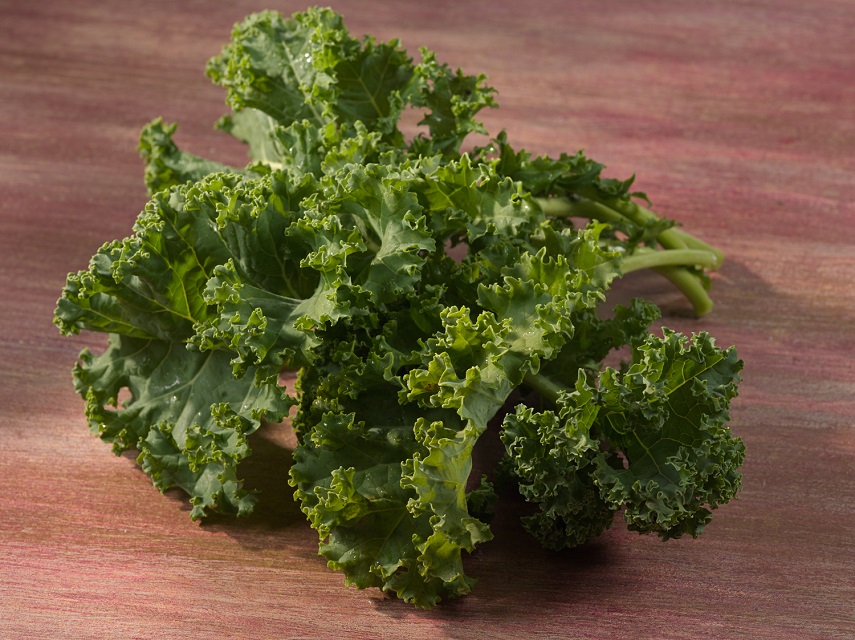
Kale is a lower potassium cooked green. Potassium content ranges from 60 to 210 mg for 1 cup raw or boiled. Of course sticking with a 1/2 cup portion is important. You may be tempted to eat more of this tasty green, but remember a large serving can double or triple potassium intake.
This hardy leafy green vegetable is from the cabbage family. It has both anti-inflammatory and antioxidant properties, and contains sulphoraphane, an antioxidant that can support cell health and reduce inflammation. Kale is a good source of vitamin K, beta carotene, vitamin C and calcium.
Ways to Prepare
There are several popular ways to prepare kale:
- Boil, drain and season with vinegar or mustard and red pepper flakes
- Sauté it with garlic and onion; season it with low sodium sausage or low sodium bacon
- Add kale to mixed vegetables or soup
- Mix kale with cooked pasta, olive oil, bell peppers, garlic and seasonings
- Cut kale crosswise into thin slices and add to a salad.
Recipes
Try some kale recipes from DaVita.com.
Veggie Crumbles with Bowtie Pasta and Kale
The next time you’re looking for a way to expand your kidney diet choices, try kale as a healthy addition to a low potassium diet.
