

Potassium has been required to appear on the label in milligrams (mg) for several years. Making it a bit easier to find balance when planning your meals for the day. The guide below is a good rule of thumb for determining if a food is too high or lower in potassium. Even with high potassium foods, they can be incorporated into the diet, as long as you manage other foods you would eat in the same day you have a high potassium food.
Helpful Guide
The National Kidney Foundation gives some interpretation of potassium, when reading the food label:
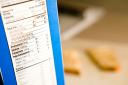
- Low potassium: below 100 mg per serving
- Medium potassium: 100-200 mg potassium per serving
- High potassium: above 201-300 mg potassium per serving
- Very high potassium: above 300 mg potassium per serving
The American Kidney Fund gives a similar guideline:
- Low potassium <150 mg
- Medium potassium 151-250 mg
- High potassium >250 mg
Tip
A consideration is how much of the food will be consumed in relation to the potassium content. For example a recipe for Glazed Chicken and Vegetables, the main entree for a meal, contains 450 mg potassium. This is considered acceptable for a diet limited to 2000-3000 mg potassium a day because the recipe provides a main portion of the meal. Additional low potassium sides like rice, blueberries and sourdough bread complete the meal without exceeding 1/3 of the daily potassium goal.
A medium banana at 400 mg potassium is considered high in potassium, since it is only a small portion of the daily intake. A few banana slices or 1/3 piece is a more reasonable portion of banana for a lower potassium diet.
Learning which foods are high and low in potassium is a first step in understanding the best way to eat on a low potassium diet. Check out this other post on Daily Value for Potassium.
