

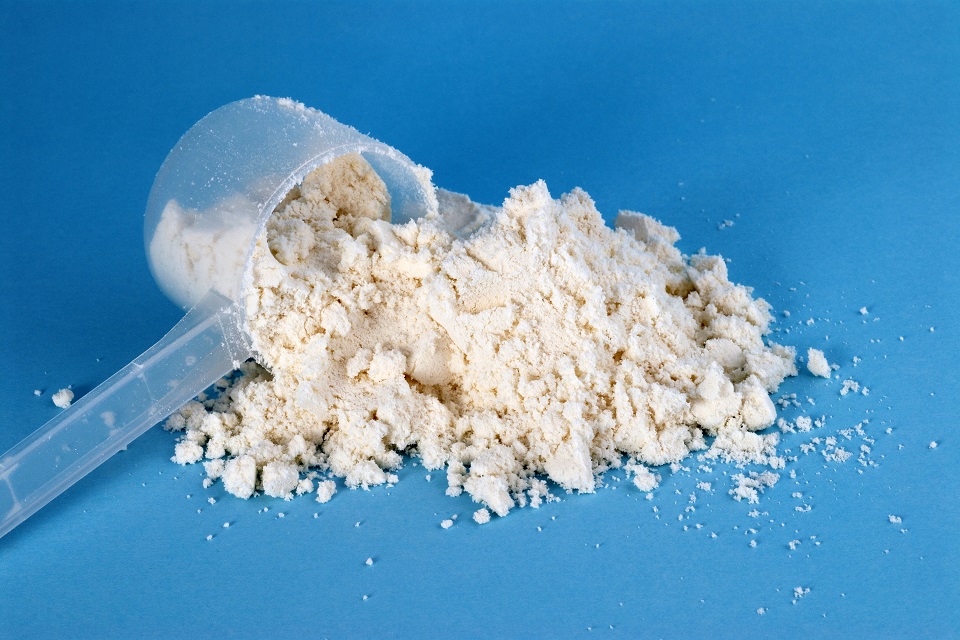
In recent years, plant-based diets and protein supplements have gained popularity with the general population. Studies find plant-based diets to have reduced risk of obesity, high blood pressure and diabetes. As a result, green pea protein powders are gaining interest with hopes to produce similar outcomes. Is this green pea protein powder good for those with kidney disease though?
Potential Benefits of Green Pea Protein
- For individuals with a severe food allergy, green pea protein is not derived from any of the 8 most common allergenic foods. These include milk, eggs, peanuts, tree nuts, soy, fish, shellfish and wheat. However, some people can have an allergy to peas, which needs to be considered.
- Green pea protein powders are a good source of plant-based iron. Although plant-based iron is not as readily absorbable as animal-based iron, you can consume it with vitamin C or lactic acid to improve the amount of iron absorbed.
- Some recent studies have shown that pea protein intake can improve blood pressure. Mostly due to replacing animal protein with a plant-based source of protein.
- Green pea protein has good digestibility
- It is a great alternative to whey protein for people following a vegetarian or vegan diet.
Areas of Concern
- Green pea protein powders, along with many plant-based sources, do not contain all essential amino acids. Amino acids are the building blocks of protein. Some amino acids are made by our body but others must be obtained through diet which is called essential amino acids.
- Animal-based protein sources usually contain all essential amino acids and are considered complete proteins. Many people who follow a plant-based diet will try to pair certain protein sources to create a complete protein meal.
- If you use green pea protein powder and are trying to follow a more plant-based diet, consider adding in chia or flax seeds to create a complete protein. Consult your dietitian for recommendations on adding these items.
- Like with all protein powders, the protein, phosphorus, sodium and potassium amounts can vary among green pea protein products. As a patient with kidney disease, it is important to see your dietitian or physician before starting a green pea protein powder. They can provide recommendations on the type of green pea protein and the amount needed for you individually. Your needs are based on your stage of kidney disease and can change over time as kidney disease progresses.
Preparing Green Pea Protein Powder
One of the biggest benefits of protein powder is its versatility. Protein powders can be mixed with water, but I personally believe green pea protein powder does not have a good taste with water alone. Here are a few ideas to start your creativity on a high protein treat:
- Mix in with fruit flavored smoothies
- Stir into oatmeal, porridge or other hot cereal
- Add into baked goods like muffins, brownies or waffles
- Whisk into milk – consider plant-based milk substitutes if following a vegetarian diet
- Blended into a smoothie and freeze inside popsicle molds
Looking for more information on green peas? Read Food Facts Friday: Green Peas for nutrient information and recipes.
References:
https://www.jrnjournal.org/article/S1051-2276(17)30151-6/pdf
https://www.healthline.com/nutrition/pea-protein-powder#dosage
Ćujić Nikolić N, Mutavski Z, Šavikin K, Živković J, Pavlović S, Jones P, Copperstone C, Can Aytar E, Aydin B, Van Bavegem E, Kunili IE, Özmen Ö, Küşümler AS, Unal DO, Gunduz S, Lara SW, Akin M, Orahovac A, Balázs B, Milešević J, Sîrbu A, Negrão S, Knez M. Peas, natural resources for a sustainable future: a multifaceted review of nutritional, health, environmental, and market perspectives. Front Nutr. 2026 Jan 12;12:1703760. https://pmc.ncbi.nlm.nih.gov/articles/PMC12832403/?utm_source=chatgpt.com. Accessed August 6, 2026.
