

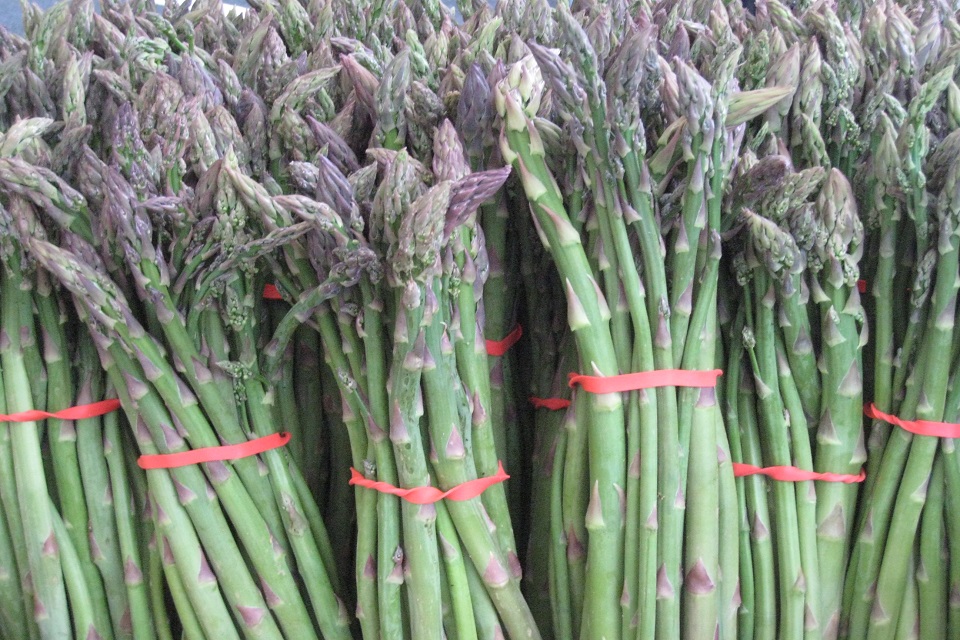
Asparagus is a great choice for people following a kidney-friendly diet because it is low in potassium and can be easily prepared a variety of ways. Like most vegetables, asparagus is nutrient rich and naturally low in calories, carbohydrates, and sodium. Consuming a diet high in fruits and vegetables is essential for adequate intake of fiber, vitamins, minerals, and antioxidants. Diets rich in these nutrients may help maintain good health, prevent chronic disease, and promote long, healthy life. The United States Food and Drug Administration recommends 3 servings of vegetables daily, a servings is around 1 cup of vegetables (2 cups for leafy greens).1, 2
May is National Asparagus Month
May is National Asparagus Month! Asparagus is a spring vegetable. However, it can be found fresh, frozen, or canned year-round in grocery stores. It is typically green in color, but can also be white or purple. Asparagus has an earthy, slightly bitter taste similar to broccoli. It is a great choice for people following a kidney diet because it is low in potassium and can be easily prepared in a variety of ways.
Serving Size
A typical serving is 1 cup or about 6 to 8 spears depending on the size. Some kidney patients struggling with high potassium levels may opt for a smaller serving size.
Nutrition Facts
One cup of raw asparagus contains about 20 calories, 1.2 grams of protein, 0 grams of fat, 4 grams of carbohydrates and 2 grams of fiber.2 For people following low potassium or low phosphorus diets, asparagus has about 200 milligrams of potassium and 52 milligrams of phosphorus per serving. Asparagus contains vitamin A, an antioxidant essential for vision and vitamin K, which is important for proper blood clotting. Asparagus also contains calcium, iron, zinc, folate, and some vitamin C.2
Choosing Asparagus
When buying fresh asparagus, choose spears that are vibrant and uniform in color and crisp in appearance. Avoid wilted spears and asparagus with soggy and soft appearing tips.4
Storing
Store asparagus in the refrigerator as it will keep longer if kept moist. You can keep asparagus moist by either wrapping the ends of the asparagus with a moist paper towel. Then place it in a plastic bag or container or place the ends in a cup of water and cover with a plastic bag.4 Asparagus can be stored for up to 3 days, but the sooner it is eaten, the fresher it will be!
Cooking
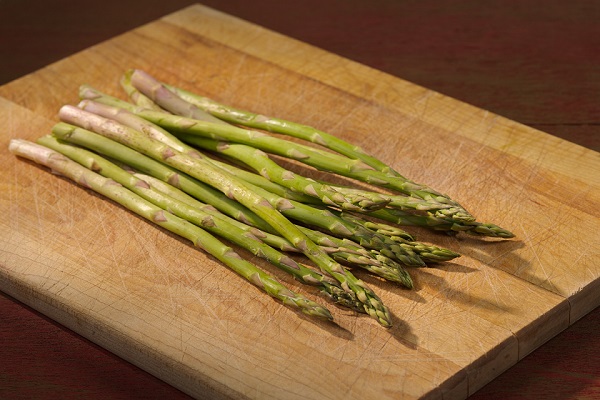
Wash asparagus well and ensure there is no visible dirt or sand before cooking. The bottom portion of the asparagus stalks are very tough, so they should be chopped or snapped off before cooking. Asparagus is simple to cook and is versatile. It can be consumed on it’s own as a side dish or mixed with other vegetables or pasta to make a salad.
DaVita.com Recipes
- Cream of Chicken Wild Rice Asparagus Soup
- Red Wine Vinaigrette Asparagus
- Feta Pasta with Chicken and Asparagus
- Garlicky Penne Pasta with Asparagus
- Grilled Chicken, Asparagus and Corn
References
- USDA Dietary Guidelines for Americans 2025-2030. https://cdn.realfood.gov/DGA.pdf. Accessed July 14, 2026.
- Daily Serving by Calorie Level. https://cdn.realfood.gov/Daily%20Serving%20Sizes.pdf. Accessed July 14, 2026.
- Full Report (All Nutrients): https://fdc.nal.usda.gov/food-details/2710823/nutrients. Accessed July 14, 2026.
- Asparagus. Half Your Plate. https://www.halfyourplate.ca/wp-content/uploads/2022/08/food_info_sheets_eng_asparagus.pdf Accessed July 14, 2026.
