What is albumin?
Albumin is a type of protein in your blood. If you are a dialysis patient, it is one of the key blood levels in your monthly labs. It is a general indication of a patient’s well-being. A good level is 4.0 gm/dl or higher.
Albumin is a marker that is helpful to your doctor and dietitian when doing a monthly assessment of your nutrition and health status. Albumin levels are used as an indicator of your overall nutrition status.
What Can Affect Albumin?
Albumin can be affected by a number of factors and signal something else may be going on, such as:
- Infection
- Inflammation
- A recent hospitalization
- Shortened treatments
- Catheter
- Excess fluid gain in between treatments
- Wounds, ulcers or legions
- Digestive problems such as malabsorption, vomiting or diarrhea
- High blood sugars
- Smoking
- Poor dental hygiene
It is very important that a person on hemodialysis eat enough protein to support a healthy albumin level. If your albumin drops it is important to work with your care team to see if any of the factors above need to be addressed.
Some protein is lost during dialysis, so a higher protein diet is needed. It is important that a patient replenish the protein lost by getting enough protein in their meals. Maintaining albumin at the desired level of 4.0 gm/dl or higher will help a person feel healthier and more energetic. It will also assist in maintaining fluid balance.
How much protein is enough?
How can you use protein to support a healthy albumin level. The amount you need varies with stage of kidney disease, nutritional status and other factors. Your protein needs are calculated based on your weight, stage of kidney disease and other health factors. Ask your dietitian exactly how much protein you should be eating.
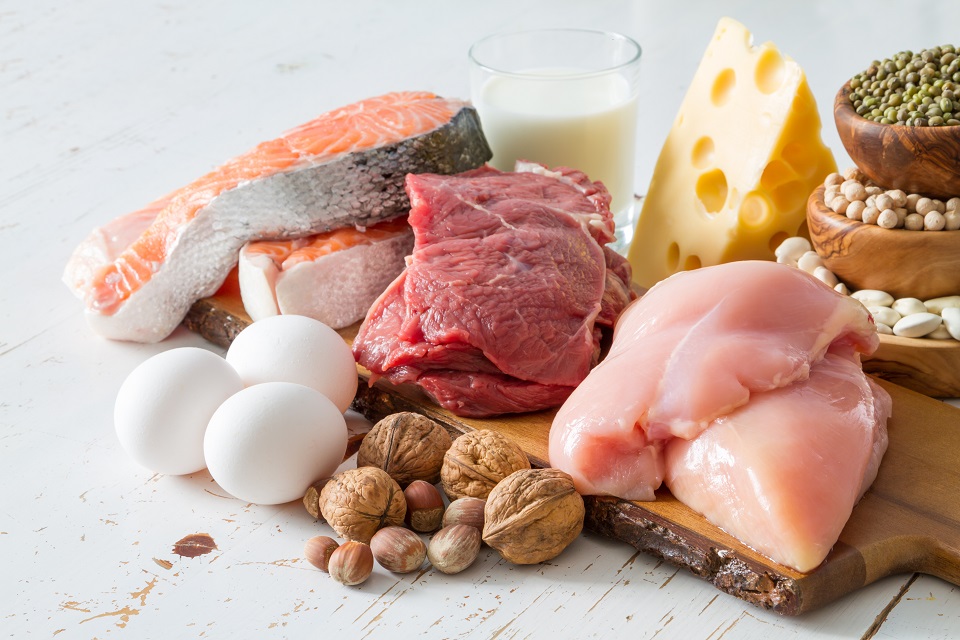
Protein is found in fish, seafood, chicken, beef, pork, lentils, legumes, soy protein, Greek yogurt and beans. Three ounces of meat is about the size of a deck of cards and has 21 grams of protein. Eggs are a great source of protein, with one egg containing 7 grams of protein. Plant-based sources of protein were once limited, but we now know only 50-60% of phosphorus and potassium are absorbed by our bodies. So these can be a great source of protein for those looking for variety or vegetarians.
What about protein supplements?
Many protein supplements are available if you are unable to get enough from your foods. Protein bars, powders and drinks are also a good choice, as long as they are not too high in phosphorus, sodium or potassium. Ask your dietitian for a list of kidney-friendly protein supplements and information on additional protein sources.
Reference:
Picard K. Potassium Additives and Bioavailability: Are We Missing Something in Hyperkalemia Management? J Ren Nutr. 2019 Jul;29(4):350-353. https://pubmed.ncbi.nlm.nih.gov/30579674/
