

Potassium is an essential nutrient that plays an important role in regulating the function of our muscles and nerves. It is a mineral that is found in many different foods, and is especially high in certain fruits and vegetables, dairy products and meat. People with kidney disease may need to manage potassium in their diet. High potassium, or hyperkalemia, is a dangerous and potentially life-threatening condition that can result in arrhythmias or irregular heart rhythms, and possibly even a heart attack. On the other hand, low potassium, or hypokalemia, can also have harmful effects such as irregular heart rhythms, muscle weakness, cramping, twitching and respiratory failure.
The most common causes of hyperkalemia include acute kidney injury (AKI) and chronic kidney disease (CKD) (1). Therefore, people with CKD and people who are on dialysis must pay close attention to their dietary intake. Other causes of hyperkalemia may include dehydration, certain medications, uncontrolled diabetes and severe bleeding (2).
Hypokalemia is often related to loss of electrolytes from vomiting or diarrhea. Some diuretics are also associated with hypokalemia.
If you have kidney disease or any other conditions that affect your potassium level, these seven tips can help you maintain a safe potassium level.
1. Watch for Dietary Potassium
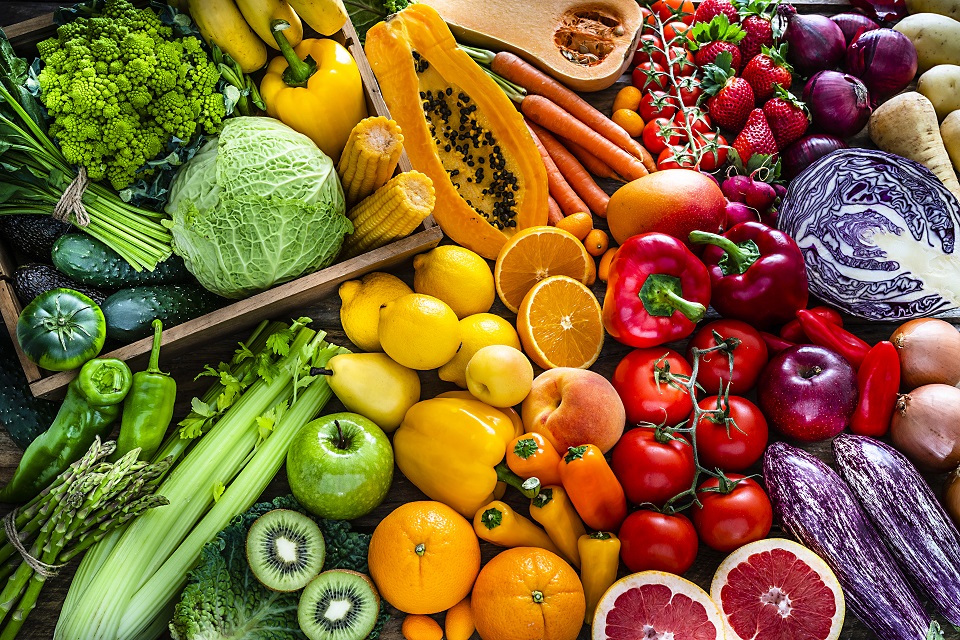
Eating a diet high in potassium can contribute to hyperkelmia. Foods such as bananas, oranges, tomatoes and potatoes have high amounts of potassium. Meat, nuts and some dairy products such as milk and yogurt also contain a lot of potassium, but can fit in the kidney diet.
Fortunately, there are methods to lower the potassium content of certain foods to manage potassium. For example, potatoes can be leached by using the double boil method to reduce its potassium content. For more information on the double boiling method, read Low Potassium Potatoes for Your Kidney Diet: No Soaking Required (3). And for a step-by-step demonstration of how to double boil potatoes to lower their potassium, watch this “How to Lower Ptassium in Potatoes” video.
2. Practice Portion Control
Another way to limit potassium intake is through portion control. By paying attention to serving sizes, you can still enjoy some of the foods you like to eat while also being mindful of potassium control. Studies now show that we do not absorb all the potassium found naturally in foods.4
3. Try Plant-Based Alternatives
Beverages such as cow’s milk, and orange and vegetable juices contain significant amounts of potassium. Replace them with lower potassium alternatives including plant-based milks like rice, almond and coconut, and juices like apple, cranberry and grape.
4. Be Mindful of Potassium in Supplements,Salt Substitutes and Packaged Foods
Certain salt substitutes and supplements may contain potassium and should be avoided. Make sure to check the nutrition panel and ingredient list, and discuss with your doctor or dietitian prior to starting any type of supplementation.
For packaged foods, check the nutrition panel and ingredient list to determine if and how much potassium is present. A high potassium food typically contains 250 mg or more potassium per serving. Knowing potassium content can help you manage potassium.
5. Attend All Dialysis Treatments
Dialysis helps to remove excess potassium from the blood and, with regular treatments, you are helping to keep your potassium level normal and your heart safe. If you are on hemodialysis, it is vital to attend all of your treatments. You can work with your dialysis center to reschedule any missed treatments. Home dialysis treatments such as peritoneal dialysis and home hemodialysis may allow a more liberal potassium intake. This is because these modalities are performed more frequently, so potassium does not build up as highly as it does with thrice weekly in-center hemodialysis.
6. See if Medication Can Help
There are medications that help to get rid of excess potassium from your blood called potassium binders, which aid in preventing the buildup of potassium in your blood (2). Talk to your doctor about these medications to determine if they may be an option for you.
7. Cook with Low-Potassium Recipes
Keep your potassium level under control by following the tips listed above. For delicious low-potassium recipes, try these!
There are even more low-potassium, kidney-friendly recipes on DaVita.com. Use the Recipe Search feature to find new favorites and sort recipes by nutrient level, including potassium, sodium and phosphorus.
References
- https://www.mayoclinic.org/symptoms/hyperkalemia/basics/causes/sym-20050776
- https://www.kidneyfund.org/kidney-disease/chronic-kidney-disease-ckd/complications/high-potassium-hyperkalemia.html
- https://davita.com/diet-nutrition/kidney-diet-tips/potassium-control-tips-for-a-healthy-life/
- Picard K. Potassium Additives and Bioavailability: Are We Missing Something in Hyperkalemia Management? J Ren Nutr. 2019 Jul;29(4):350-353. https://pubmed.ncbi.nlm.nih.gov/30579674/. Accessed July 9, 2026.
