Search
Search Results
-
Vinegar: an ideal seasoning for kidney diets
Vinegar is produced by bacteria that convert alcohol in fermented liquids into acetic acid, the ingredient responsible for the sour taste of vinegar. Some vinegar sources include: Vinegar is an excellent seasoning for a kidney diet because it is sodium free and very low in phosphorus. Potassium varies with the source, generally 5-30 mg per […]
-
Best broth choices for a kidney diet
For people following a low sodium diet, the biggest problem with soup and broth is the extremely high sodium content. A one cup serving can exceed 1000 mg sodium. For the best choices, look for low sodium broth that contains less than 140 mg sodium per one cup serving or reduced sodium broth containing 500 milligrams sodium […]
-
Why is potassium limited in the dialysis diet for people on hemodialysis?
Most people on hemodialysis limit high potassium foods to keep blood levels from going too high. Potassium is a mineral that helps muscles and nerves work properly, and it helps regulate the heartbeat and blood pressure. In kidney failure, potassium from the diet builds up in the body. If the level goes too high the […]
-
List of Kidney Diet Cookbooks
Have you tried using a kidney diet cookbook? Most include kidney-friendly or dialysis-diet recipes, seasoning ideas and helpful tips on the pre-dialysis and dialysis diet as well as information on kidney disease. Kidney diet cookbooks are a great way to discover new favorite recipes, what to eat and which foods are not recommended for those with […]
-
Which foods count as fluid for those with kidney disease following a dialysis diet and fluid restriction?
Any food that is liquid or will melt at room temperature counts as fluid. These can be divided into visible fluids (includes anything a person drinks) and hidden fluids (foods that appear as solids, but are liquid at room temperature). For people with kidney disease following a prescribed fluid restriction, all the items below are […]
-
Why is sodium limited in the dialysis diet?
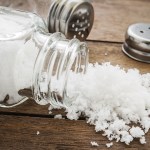
Foods high in sodium can make you very thirsty. Excess sodium may also increase blood pressure and contribute to fluid retention. For people on dialysis these are two reasons sodium is limited in the dialysis diet. For those with kidney failure, fluids are limited in their diets. Because kidneys are no longer able to remove fluids […]
-
Why a kidney-friendly diet helps those with chronic kidney disease
Chronic kidney disease happens slowly over time. If kidney disease is detected early enough, steps can be taken to help slow the progression to either delay or prevent total kidney failure and the need for dialysis or a transplant. Eating a kidney-friendly diet is one way to help slow the progression of kidney failure. In […]
-
Are phosphorus binders really that important in the dialysis diet?
For people on dialysis too much phosphorus can harm their hearts and make bones weak. Excess phosphorus is normally removed by working kidneys through urine. However, for those with kidney failure, they are no longer able to remove phosphorus and it builds up in their blood stream. Dialysis helps remove some of the phosphorus, but […]
-
How to get your nutrients on a kidney diet
People on dialysis and those with chronic kidney disease who are not yet on dialysis are usually given a special diet to eat. Many foods are limited on the diet, especially foods that are high in phosphorus, potassium and sodium. However, there are many foods that are okay to eat on the dialysis and pre-dialysis […]