

Search
Search Results
-
Why is potassium limited in the dialysis diet for people on hemodialysis?
Most people on hemodialysis limit high potassium foods to keep blood levels from going too high. Potassium is a mineral that helps muscles and nerves work properly, and it helps regulate the heartbeat and blood pressure. In kidney failure, potassium from the diet builds up in the body. If the level goes too high the […]
-
Which foods count as fluid for those with kidney disease following a dialysis diet and fluid restriction?
Any food that is liquid or will melt at room temperature counts as fluid. These can be divided into visible fluids (includes anything a person drinks) and hidden fluids (foods that appear as solids, but are liquid at room temperature). For people with kidney disease following a prescribed fluid restriction, all the items below are […]
-
Why is sodium limited in the dialysis diet?
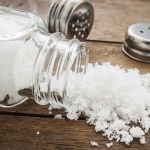
Foods high in sodium can make you very thirsty. Excess sodium may also increase blood pressure and contribute to fluid retention. For people on dialysis these are two reasons sodium is limited in the dialysis diet. For those with kidney failure, fluids are limited in their diets. Because kidneys are no longer able to remove fluids […]
-
Why a kidney-friendly diet helps those with chronic kidney disease
Chronic kidney disease happens slowly over time. If kidney disease is detected early enough, steps can be taken to help slow the progression to either delay or prevent total kidney failure and the need for dialysis or a transplant. Eating a kidney-friendly diet is one way to help slow the progression of kidney failure. In […]
-
Are phosphorus binders really that important in the dialysis diet?
For people on dialysis too much phosphorus can harm their hearts and make bones weak. Excess phosphorus is normally removed by working kidneys through urine. However, for those with kidney failure, they are no longer able to remove phosphorus and it builds up in their blood stream. Dialysis helps remove some of the phosphorus, but […]
-
How the dialysis diet affects those with kidney failure (or end stage renal disease)
In addition to cleaning the blood, the kidneys perform other important functions. Loss of kidney function has a direct impact on some important balances in the body. While medicines and dialysis help restore some of the balances, in end stage renal disease, what you eat or don’t eat plays a major role in restoring balance […]
-
Citrus zest to intensify flavor
Add extra flavor to your next kidney diet dish by adding zest from lemon, lime, orange or grapefruit. Zest is the colored portion of the citrus skin. It contains aromatic oils and adds loads of flavor to cooked or raw foods. To remove the zest, use a citrus zester, paring knife or vegetable peeler. Avoid […]
-
Dairy Delicious: Milk and Cheese Products for Kidney Patients
Looking for another alternative to milk and cheese for your renal diet? A company from New York, Delicious Milk Company, Inc., has engineered Dairy Delicious low phosphorus Milk Beverage and Cheddar Cheese sauce, products with significantly lower phosphorus and potassium content compared to regular milk and cheese. They are carried by grocery stores in some […]
-
What is the purpose of a renal vitamin for kidney dialysis patients?
People on dialysis take a special renal vitamin preparation that contains B vitamins with extra folic acid and a limited amount of vitamin C. There are several reasons why dialysis patients take renal vitamins: Examples of renal vitamins are Dialyvite®, Nephrocaps®, Nephrovite®, and Renaltab®. Some brands require a prescription and others are available over the counter. Kidney […]