

Last updated: July 1, 2026
For people with chronic kidney disease (CKD) or end stage renal disease (ESRD), dietitians are frequently asked if tea is allowed, especially hot tea during cold winter months. As with many foods and drinks we are asked about, the answer is yes! In moderation, tea is a great beverage option that can be included in a kidney diet. In fact, there are many exciting health benefits that tea offers to anyone.
Tea Fun Facts
Varieties and Preparation
Teas come from the plant Camellia sinensis, of which the leaves will either turn to black tea with exposure to air or to green tea by steam or heat. Many herbal teas are created from either black or green tea leaves with additions of other herb leaves, spices, flavor extracts, or sweeteners. Some examples are mint, chamomile, or orange blossom herbal teas. You can also find herbal teas that do not contain tea leaves. Read the label to determine when selecting herbal tea. Research on herbal teas is inconsistent, but generally speaking herbal teas from major tea brands are safe for kidney patients to drink.
Health Benefits
Tea has shown the possibility to reduce the risk of stroke and heart disease. Green tea has some flavonoids and polyphenols, which are types of antioxidant that neutralize free radicals and can protect cells from oxidative stress.
Additives to Avoid
Many of these tea benefits are hindered when undesirable additives are included in the ingredient list. Some bottled teas contain as much sugar as caffeinated sodas. Some may even contain phosphate additives for flavor enhancement, which is not recommended for people with CKD or ESRD.
How to Incorporate Tea
Potassium in Tea
An eight-ounce cup of brewed black tea contains 88 mg potassium and a cup of green tea contains 21 mg potassium. Sodium and phosphorus content is less than 3 mg.
Flavor Enhancements
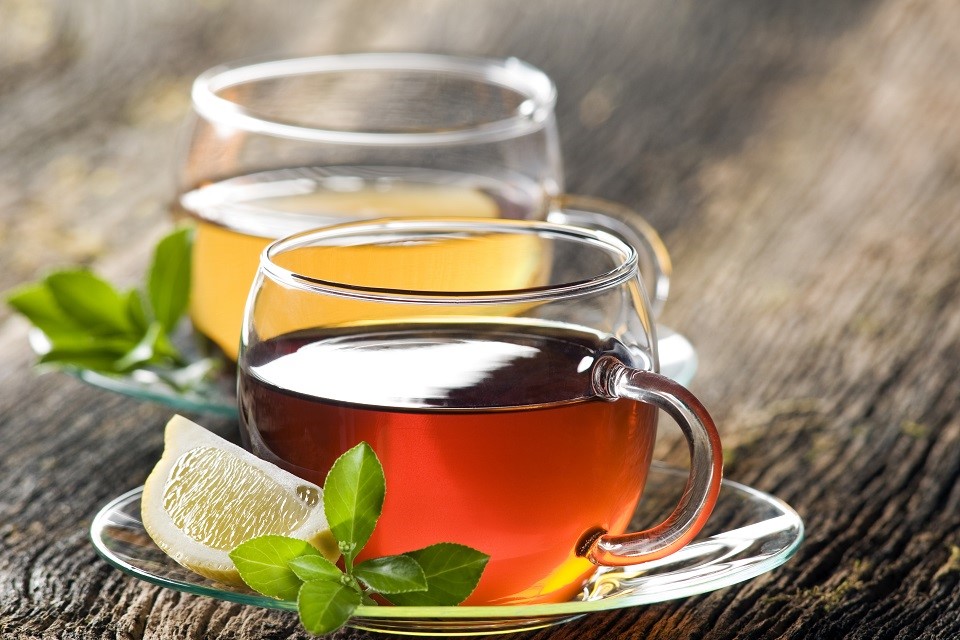
If you would like to incorporate tea into your diet, but struggle to enjoy the flavor of plain tea, add fresh fruit slices for an enhanced flavor profile. Lemon and orange slices pair nicely with black tea. Fresh berries added to green tea gives a unique and satisfying flavor without adding sugar.
Precautions
There are some instances when caution is warranted for tea drinkers with renal disease. Smaller, unknown brands of herbal tea and some Chinese herbal medicinal teas may contain ingredients that could have side effects for people with kidney failure. For example, some herbal and green tea blends may interact with Coumadin or similar blood thinners. Additionally, for anyone who suffers from gastro-esophageal reflux or gout, tea could worsen your symptoms.
If you are interested in a particular tea, but are not sure if it is okay for you to drink, share this concern with your renal dietitian. Your dietitian will guide you or refer you to your nephrologist if there are potential risks.
And remember, if you are on a fluid restriction, tea would be counted in your fluid balance for the day.
References:
