

 High potassium is a concern for people with chronic kidney disease and those on dialysis because it can be very dangerous. Extremely high levels can make your heart stop, and the scary part is you do not feel anything until potassium is quite high.
Symptoms of high potassium include tiredness, weakness, muscle cramps and irregular heartbeat.
What Causes High Potassium
High potassium levels occur when the kidneys are not working well enough to remove adequate amounts of potassium. In early stages of kidney disease (stage 1 and stage 2) potassium usually stays in the normal range. It goes higher in later stage 4 and stage 5 and at end stage renal disease (ESRD). Some people in stage 3 kidney disease may have high potassium but many others have normal potassium and can eat a regular amount of potassium in their diets.
Medication such as potassium-sparing diuretics, some blood pressure pills, NSAIDs and/or potassium supplements also contribute to elevated potassium. Normal potassium lab values for people with chronic kidney failure is 3.5-5.0 mEq/L. For dialysis patients the goal is 3.5 to 5.5 . Potassium levels above 6.0 are dangerous and require a low potassium diet, medication change and/or dialysis to help reduce potassium to a safe range. A low potassium diet is approximately 2000-3000 mg a day is usually recommended for people who need to restrict potassium intake. This is typically dependent on a person’s lab values and is very individualized.
Potassium in Food
Your dietitian can provide a list of high potassium foods and give guidance on how often and how much you can have from the food list. There may be some foods they recommend you avoid altogether. However most people on a low potassium diet can work in small amounts of their favorite foods. Potassium that naturally occurs in food is not 100% absorbed as it could be in potassium additives.
Other Possible Causes
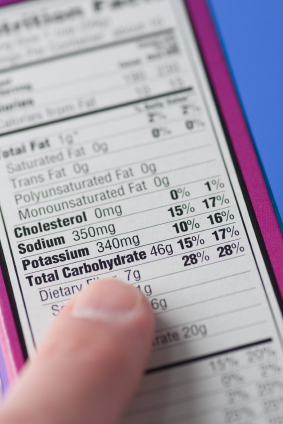
In addition to this list of high potassium foods, read food label to see if potassium is listed on the Nutrition Facts or in the ingredient list. Potassium additives can add more potassium to the diet (and are closer to 100% absorbed by the body). Avoid all soups and low sodium foods that contain potassium chloride because this ingredient adds lots of potassium to foods.
If you have looked into different reasons your potassium is elevated and cannot pinpoint the cause and are on dialysis, speak with your doctor and/or care team to be sure your dialysis access is working correctly or discuss other non-nutrition related causes that could be a cause.
For more help with potassium control read DaVita.com article "Potassium and Chronic Kidney Disease" and use low potassium recipes from DaVita’s collection of kidney-friendly recipes.
