Apples are one of the most popular fruits in the world. These versatile fruits make a great on-the-go snack and can be eaten raw or cooked. Let’s see how apples can fit into a kidney-friendly diet.
Apple Facts and Nutrition
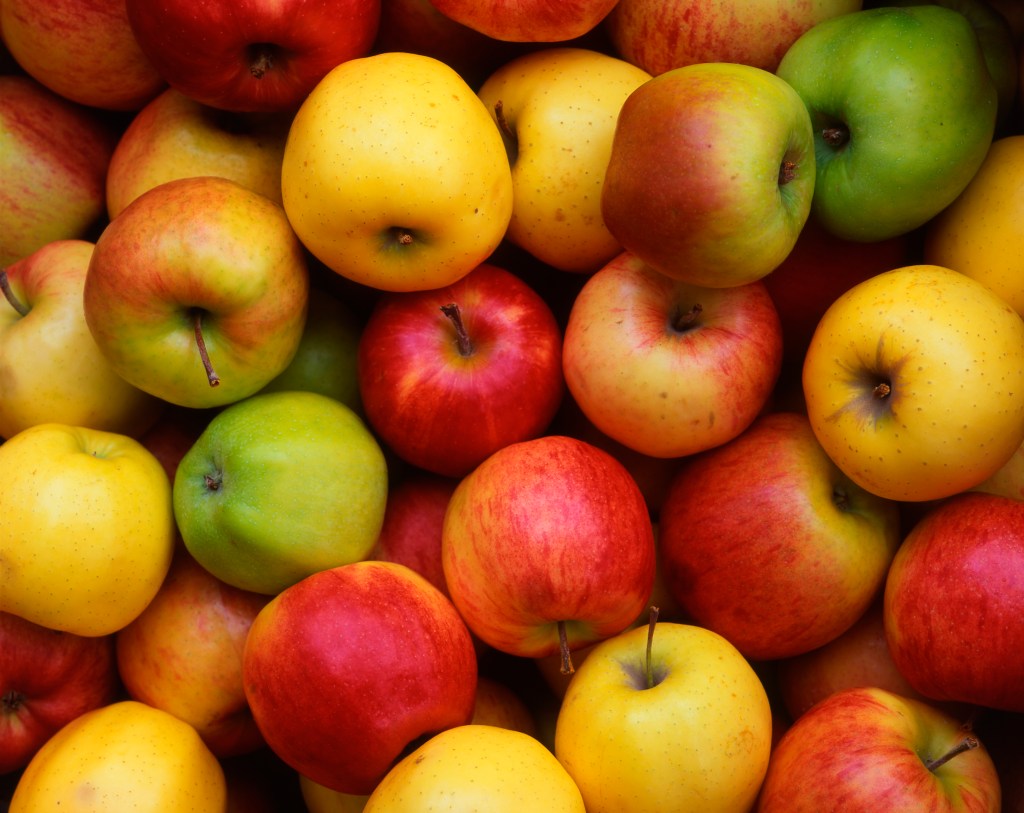
There are over 7,500 varieties of apples worldwide.1 Apples range in color from red, green, pink, yellow, orange, and dark purple or black. Each type of apple also varies in taste. Some apples are sweet while others are tart.
Apples are considered a lower potassium option with kidney disease, but portion and moderation are always important. The nutrient content of apples can vary depending on size, but on average, one medium apple contains:2,3
- Calories: 95
- Carbohydrates: 25 g
- Protein: 0 g
- Fat: 0 g
- Fiber: 4 g
- Potassium: 195 mg
Potential Health Benefits of Apples
There is some truth behind the age-old saying, “An apple a day keeps the doctor away.” Apples offer many potential nutritional benefits. Apples contain antioxidants, which help reduce inflammation and can help protect your body against cancers.4 Apples are a great source of fiber which can help improve digestion, reduce constipation, lower cholesterol, and regulate blood sugar levels.4 Apples also contain pectin, a prebiotic which provides food for the good bacteria in the gut.4
Ways to Enjoy Apples in Your Kidney Diet
- Grab and go! Since apples don’t need refrigeration, they can easily be packed in your lunch or snack bag for on-the-go eating.
- Dip apples into peanut butter or yogurt for a protein- and fiber-rich snack.
- Mix diced apples into oatmeal, tuna salad, or chicken salad for a sweet or tart crunch.
- Top pork chops with sliced apples before cooking for a sweet and savory flavor that helps keep the meat moist.
- Use applesauce in baked goods, such as muffins or zucchini bread.
- Bake an American classic … apple pie! (Higher in sugar, be cautious if you have diabetes)
- Top baked apples with cinnamon or nutmeg, and vanilla or plain yogurt for sweet treat.
- Take your medications with applesauce. (Note: Check with your doctor or pharmacist to see if your medications can be safely crushed or mixed with food.)
- The smooth texture of applesauce can make it easier to swallow pills.
- For people who must limit fluid intake, taking pills with applesauce instead of water can help reduce excess fluid consumption.
- If approved by your doctor or pharmacist, crushed medication can be mixed in applesauce. Just be sure to eat all the applesauce and medication to get the full, prescribed dose.
Check out these kidney-friendly recipes from DaVita.com that include apples:
References
1. Varieties – Apple. Washington State University. https://treefruit.wsu.edu/web-article/apple-varieties/. Accessed August 4, 2025.
2. FoodData Central. US Department of Agriculture. Apples, raw, with skin (Includes foods for USDA’s Food Distribution Program). https://snaped.fns.usda.gov/resources/nutrition-education-materials/seasonal-produce-guide/apples. Published April 1, 2019. Accessed August 4, 2025.
3. US Department of Agriculture. SNAP-Ed Connection. Apples. https://fdc.nal.usda.gov/food-details/171688/nutrients. Accessed August 4, 2025.
4. Mayo Clinic Health System. Pick apples for a bushel of health benefits. https://www.mayoclinichealthsystem.org/hometown-health/speaking-of-health/pick-apples-for-a-bushel-of-health-benefits. Published December 23, 2024. Accessed August 4, 2025.
Additional Kidney Diet Resources
Visit DaVita.com and explore these diet and nutrition resources:
DaVita Kidney-Friendly Recipes
This article is for informational purposes only and is not a substitute for medical advice or treatment. Consult your physician and dietitian regarding your specific diagnosis, treatment, diet and health questions.
